
Portland Wine Cellars Summer Series
Summer is fast approaching and for wine drinkers that means a change from autumn and winters heavy rich and full bodied wines to light, crisp and soft drinking wines. These wines will often show more light fruit characters and flavours in the reds, while the whites and roses will bring crispness and floral side that is perfect for summer. Over the summer we will showcase 6 countries, explaining some of the history, the regions and role they play in the wine as well as spotlighting our favourite summer wines from the country.
June - Italy
Italy is the world's largest wine producer, featuring 20 distinct wine regions with roughly 350 official grape varieties. The big three regions are Veneto, Tuscany, and Piedmont which produce the majority of high quality wines. Key highlights include Chianti from Tuscany, Barolo which hails from Piedmont, Amarone from Veneto and the volcanic wines from Sicily.

Veneto
The viticultural history of Veneto dates back to the 7th century BC, when the Etruscans began cultivating vines that were already present in the region. The Romans further expanded viticulture and refined winemaking techniques, transforming Veneto into a land of oenological excellence. During the Middle Ages, monastic communities improved viticultural practices, preserving the wine culture through times of political and social upheaval. Under the Republic of Venice, Venetian wines began to be exported across the world, thanks to merchants who introduced them to distant markets and brought back cuttings of international grape varieties.
By the Renaissance, Veneto had become one of Europe’s leading wine producers, with wines gracing the tables of noble courts throughout the continent. In the 18th and 19th centuries, climate changes and vine diseases devastated vineyards across the region. As a result, Veneto’s winemakers began to study grape varieties more carefully, selecting those best suited to the region’s diverse terroirs. These efforts led to a true modernization of the industry in the 19th and 20th centuries, with new vine species and improved winemaking methods. Throughout the 20th century, Veneto wines gradually regained international prestige, and today, the region is one of Italy’s most celebrated, offering a wide range of labels including Amarone, Valpolicella, Soave, and Prosecco.
Regional Wine Styles
- Red wines range from light, aromatic Bardolino to powerful, dried grape Amarone, with the Corvina grape acting as the primary, high-acid backbone. Key styles include versatile Valpolicella, rich Ripasso, sweet Recioto, and international blends, often featuring ruby-red color, cherry notes, and velvety tannins
- White wines, primarily from the northeast, are characterized by fresh, aromatic profiles often featuring high acidity with crisp nutty and mineral notes
- Rose wines, particularly from the Lake Garda area, are renowned for their fresh, elegant, and pale hued styles with light, crisp, and fruity characteristics. The sparkling wines are dominated by aromatic sweetness and a high level of acidity
Our Favourite Wine From Veneto
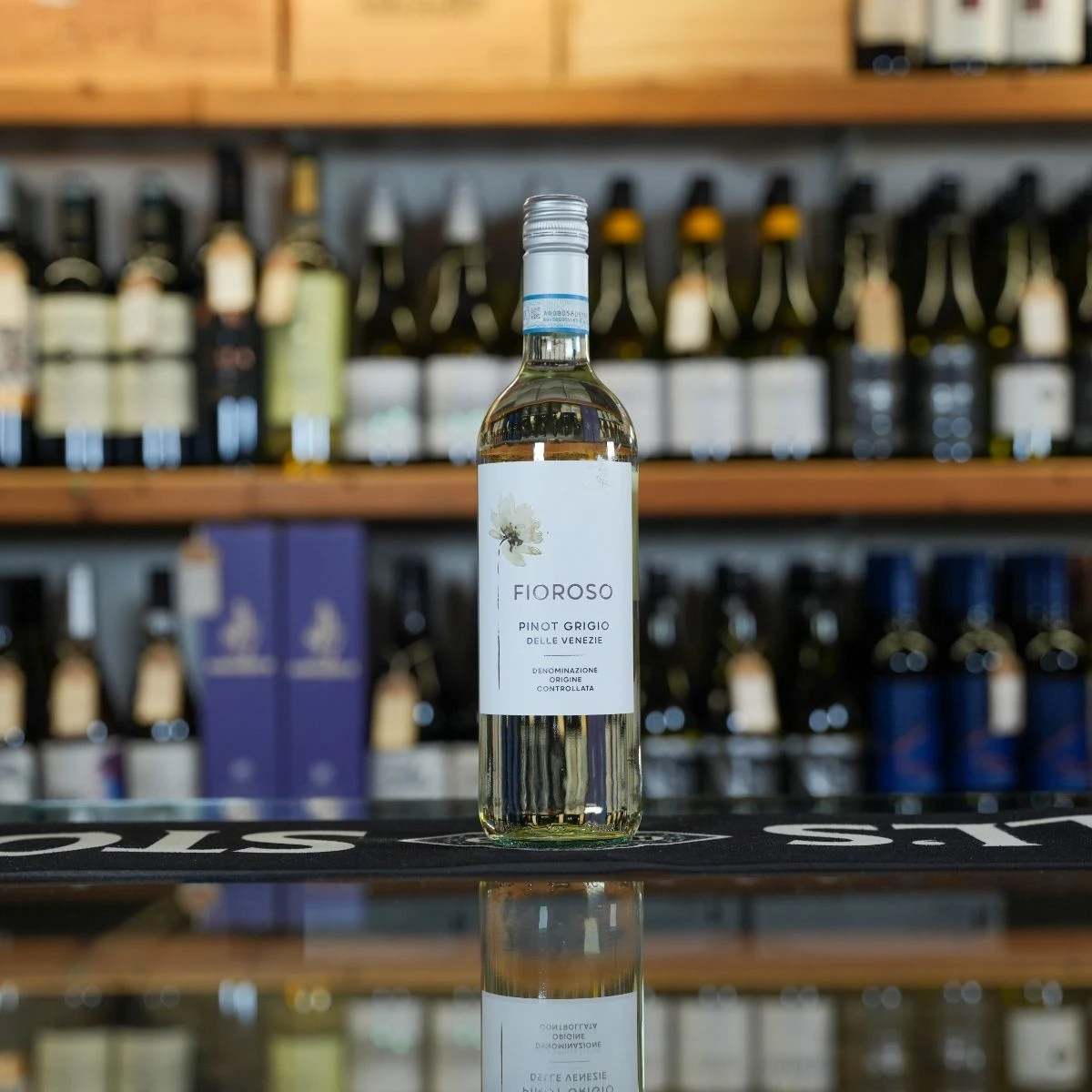
Fioroso Pinot Grigio
£9.95
History:
For more than 100 years the Tombacco family has been producing and bottling wines with genuine and intense flavours, following Italian wine making traditions. And, the wines it procures are key Italian classics. The Rinomata Cantina Tombacco (Renowned Tombacco Winery) was founded in 1919 and is based in Trebaseleghe, a rural town just a few kilometres away from Padua, Venice and Treviso. Tradition and quality is key for Tombacco which works with producers across Italy to create ranges which celebrate the diversity of the country and its regions.
Tasting Notes:
Light golden colour with lifted aromas of stone fruits and melons. Medium bodied containing flavours of ripe peaches and tropical fruit. This wine is dry, velvety, tasty and fruity with a slight after taste of bitter almond. It has good acidity and it is very persistent on the palate and best drunk when young.
Food Matches:
This wine is excellent as an aperitif and ideal with seafood salads and main courses based on fish and crustaceans. It is perfect with white meats, and boiled, grilled or fried fish.
Friuli Aquileia
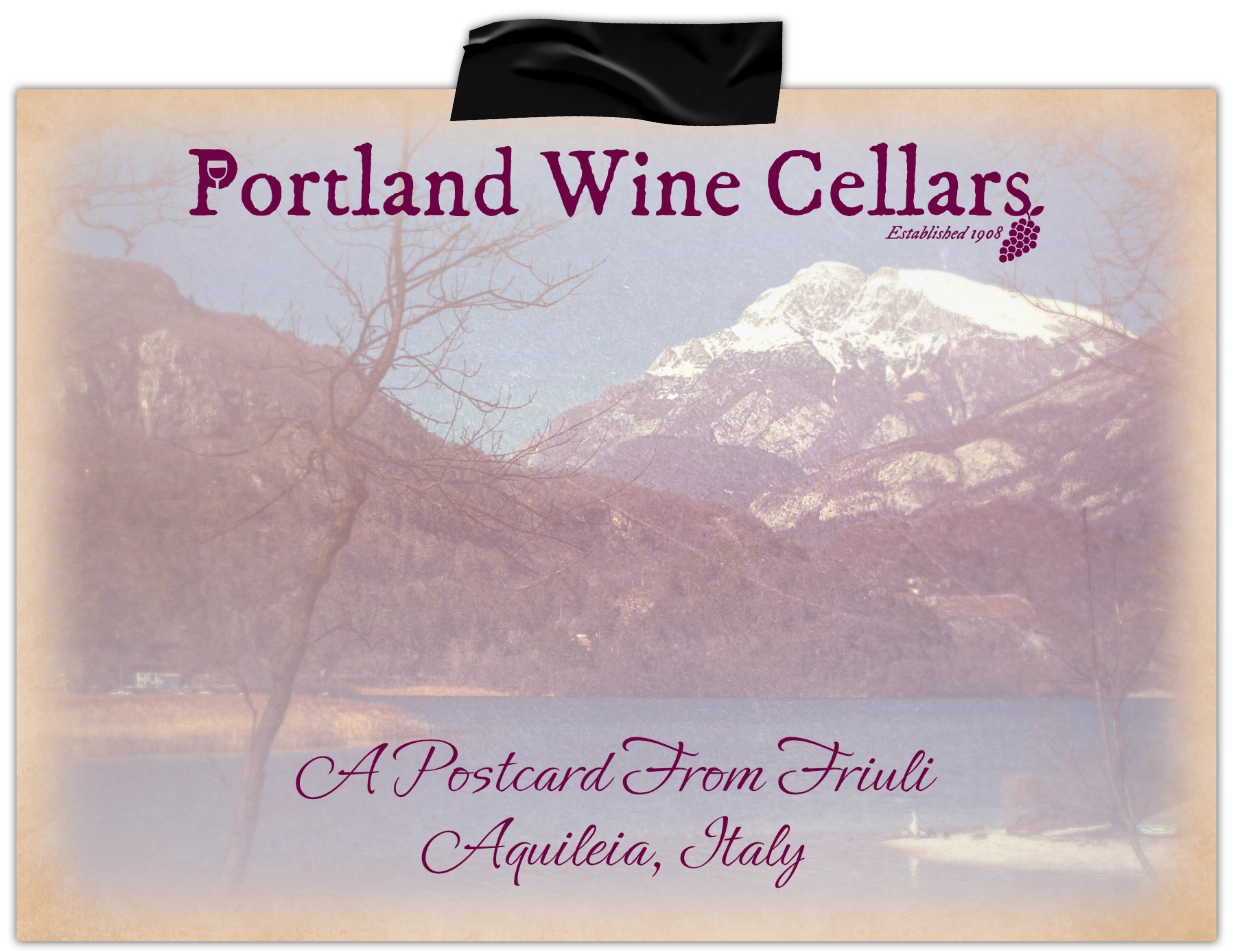
Founded in 181 BC, Roman Aquileia was a major trade hub where wine production flourished. Pliny the Elder documented local wines and the area was famous for Pucinum, a wine favoured by Roman elite. Following the Roman era, agricultural traditions were maintained by Benedictine monks, with the Abbey of Rosazzo playing a key role in rebuilding local viticulture. Established in 1975, the Friuli Aquileia DOC is a historic wine appellation in northeastern Italy centred around the ancient Roman city of Aquileia. The area, defined by alluvial soils and sea influenced climate, has over 2,000 years of viticulture history dating back to Roman soldiers and merchants who cultivated vineyards.
Regional Wine Styles
- Red wines are medium bodied to structured, and offer flavours of red berries, herbs and spice. They also have distinctive notes of violet and black cherry
- White wines are fresh, floral and mineral driven with notes of citrus, pear and almond
- Rose and sparkling wines are light and lively, which makes them perfect to enjoy on warm, summer evenings
Our Favourite Wine From Friuli Aquileia
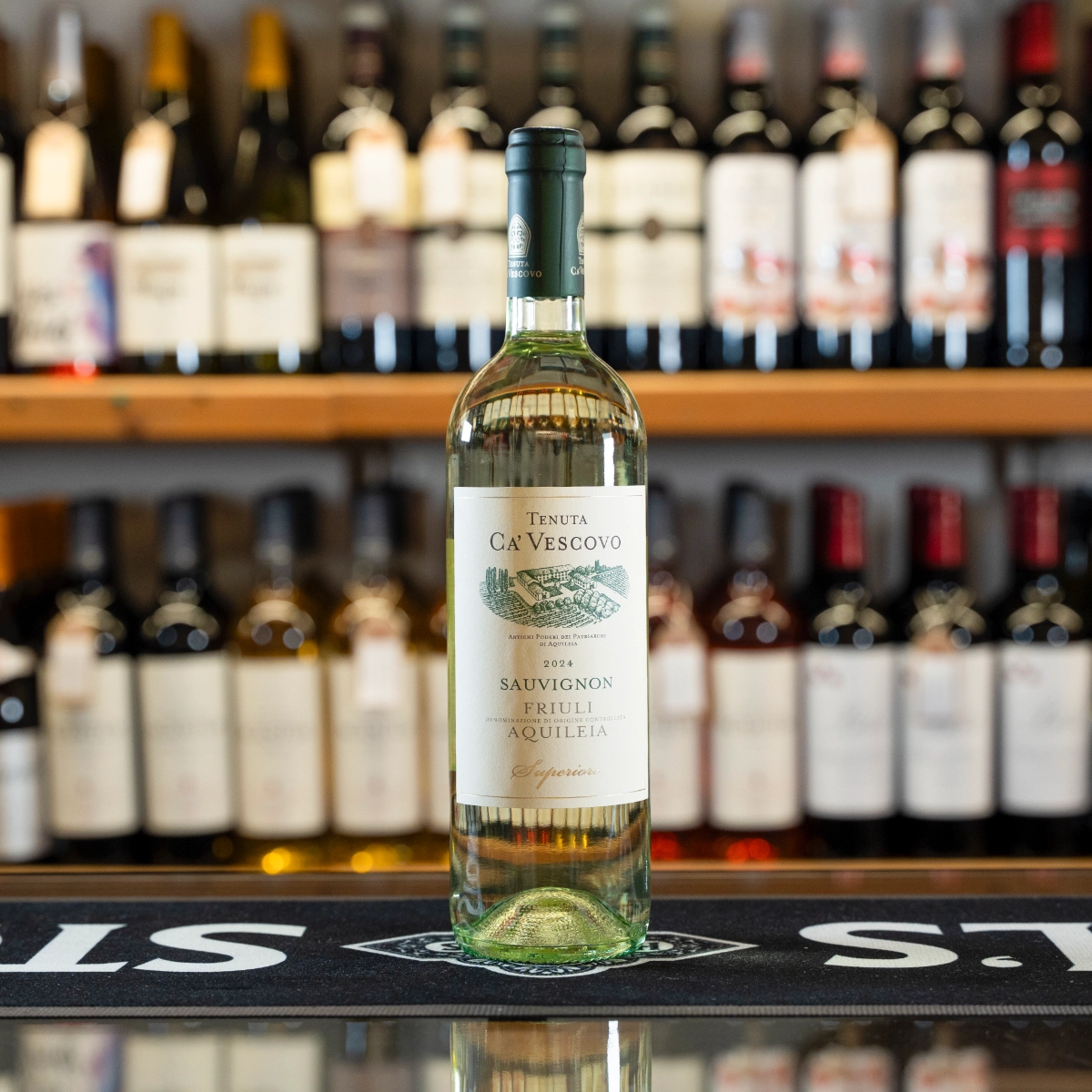
Ca Vescovo Sauvignon
£15.59
History:
Located between the Anfora and Aussa rivers, it was donated in 1036 by Patriarch Poppone to the Benedictine monastery of Aquileia and for over seven centuries it was reserved for the benefit of the rural communities of San Martino, Terzo and Cervignano del Friuli. The estate that is home to Ca’ Vescovo, composed of 358 fields, belonged to Count Antonio Herberstein, Bishop of Trieste. After him, it passed into the hands of Countesses, Princes and Barons, until the present day, which sees Ca’ Vescovo as part of the Ca’ Bolani Estate in Cervignano del Friuli.
Tasting Notes:
Golden yellow colour tending to greenish with a delicate aroma of tropical fruits and herbs,a fresh zesty flavour and complemented by vibrant acidity with a pleasantly velvety mouthfeel.
Food Matches:
A wine suitable for first courses, well flavoured soups and fish.

Sicily
Sicily has a 6,000-year wine history, dating back to 4000 BC, making it one of Italy's oldest and most significant viticultural regions. Phoenicians (1100-1000 BC) brought advanced viticulture, while the Greeks, 800-700 BC established Sicily as a major “Oenotria” or land of vines and developed systematic vineyard methods, particularly in the East. Sicily also became a crucial wine shop for the Roman Empire, producing large quantities for trade.
Many foreign empires have ruled Sicily and their ownership has had a noticeable effect on the wine making. During the Arab rule of Sicily between 827–1091 AD, the wine industry did not completely vanish as is often believed. While alcohol consumption was discouraged, Arab authorities did maintained some wine production and trade. They significantly influenced the industry by improving agriculture, introducing new farming techniques, and specializing in table grapes and raisins like Zibibbo. The Normans, in 1061 and encouraged the development of vineyards to sustain their aristocratic lifestyle, turning wine into a status symbol.
Between the 13th and 18th Century Spain ruled over Sicily and created a golden age for wine, by established trade guilds, revitalizing production, and introducing new techniques, ultimately setting the stage for the island's reputation for high quality wines that still exists today. In 1773, Englishman John Woodhouse discovered and commercialized Marsala, a fortified wine that put Sicily on the global map.
Regional Wine Styles
- Sicily produces diverse red wines ranging from bold, dark fruited styles to elegant, volcanic and aromatic, light-bodied wines. The region combines indigenous grapes with international varieties like Syrah, creating both intense, sunny styles and high-altitude, refined reds.
- White wines are defined by indigenous grapes grown in volcanic or coastal terroirs, ranging from crisp, citrusy, and saline to high altitude, mineral-driven, and ageworthy. Key styles include dry, aromatic nutty and refreshing varietal wines.
- Rose wines have fresh, vibrant, and aromatic profiles, often featuring red berry, citrus, and mineral notes. Typically produced from native grapes like Nerello Mascalese and Frappato, they range from pale, elegant, and mineral driven to deeper coloured, fruity styles, often produced using organic methods. Sparkling wines, ranging from crisp and volcanic with mineral driven flavours to fruity and aromatic. Other key styles are high acidity, refreshing citrus, and mineral notes.
Our Favourite Wine From Sicily
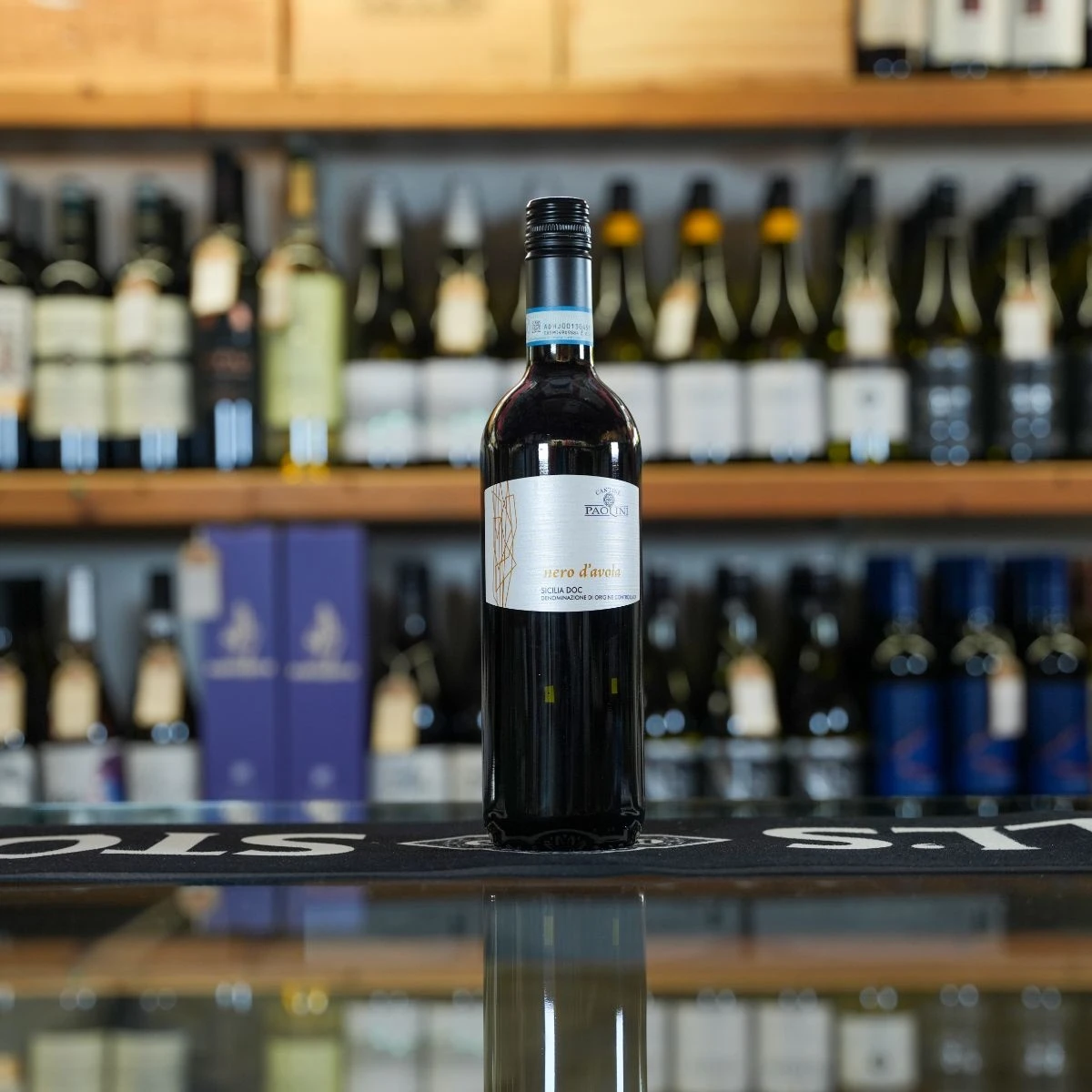
Cantine Paolini Nero Davola
£11.99
History:
Founded in 1964 in Marsala, Sicily, Cantine Paolini began as a cooperative of local winemakers including Gaspare Baiata in the historic Paolini district, with their first harvest in 1972. The name originates from the Paolini district, where the monastic order Paolotti began cultivating vineyards in the 16th century.
Tasting Notes:
The colour is lively ruby red with violet hues, intense and moderate transparency. The aromas that stand out on the nose are the primary ones characterized by fruits and flowers typical of the grape, notes of morello cherry, plum and violet. Pleasant and light aromas. On the palate it is harmonious with elegant tannins and medium persistence with flavours of small berries.
Food Matches:
It goes well with a wide variety of dishes rich in flavour, from both white and red grilled meat, to well aged cheeses. Also excellent for appetizers of cold cuts and savoury cold cuts.