
Portland Wine Cellars Summer Series
Summer is fast approaching and for wine drinkers that means a change from autumn and winters heavy rich and full bodied wines to light, crisp and soft drinking wines. These wines will often show more light fruit characters and flavours in the reds, while the whites and roses will bring crispness and floral side that is perfect for summer. Over the summer we will showcase 6 countries, explaining some of the history, the regions and role they play in the wine as well as spotlighting our favourite summer wines from the country.
August - Spain, New Zealand and Australia
Our summer series wine tour sees us arrive in Spain, New Zealand and Australia. Spain is home to over 500,000 square km's of vineyards, offering everything from crisp coastal whites to world class aged reds. New Zealand is world renowned for its crisp, intensely aromatic Sauvignon Blanc and elegant Pinot Noir, thanks to its cool maritime climate. Australia is the world's sixth to seventh largest wine producer, renowned for rich, full bodied Shiraz and diverse regional styles, spanning over 60 regions in five states.
-

Acantus White
£10.35 Add to basket -
Espeto Tempranillo
£10.75 Add to basket -
Muga Rioja Blanco
£17.59 Add to basket -
Escena Rioja
£10.99 Add to basket -
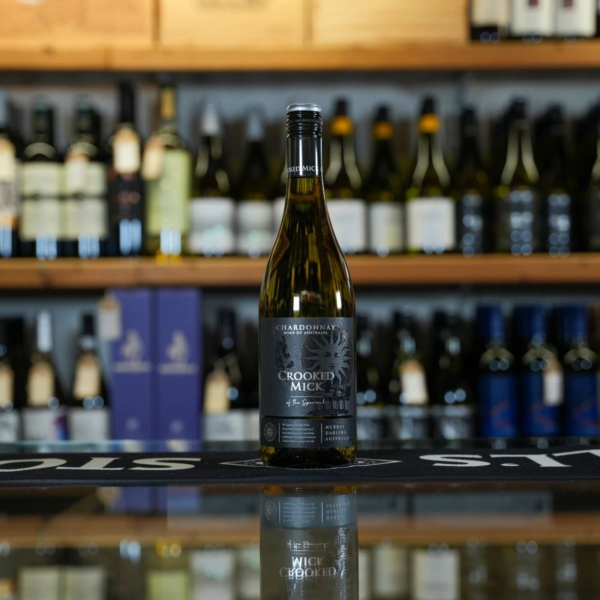
Crooked Mick Vegan Chardonnay
£10.95 Add to basket -
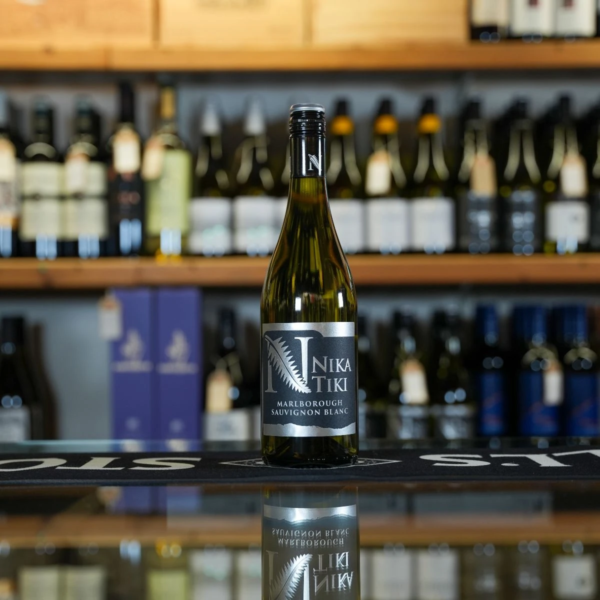
Nika Tiki Sauvignon Blanc
£11.39 Add to basket -
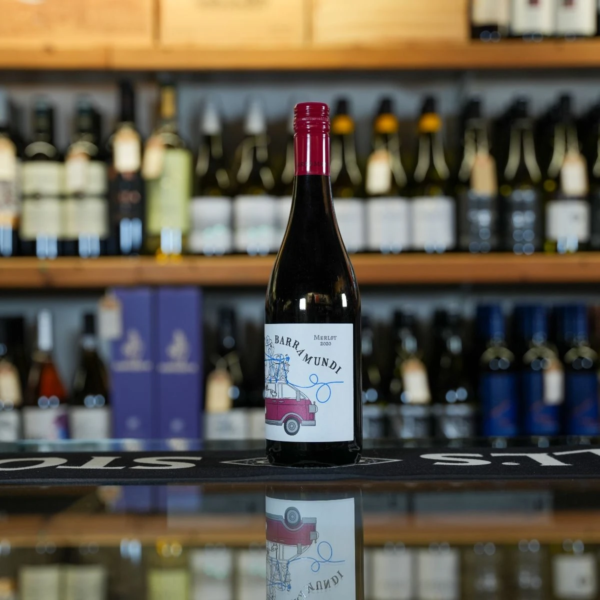
Barramundi Merlot
£11.59 Add to basket -
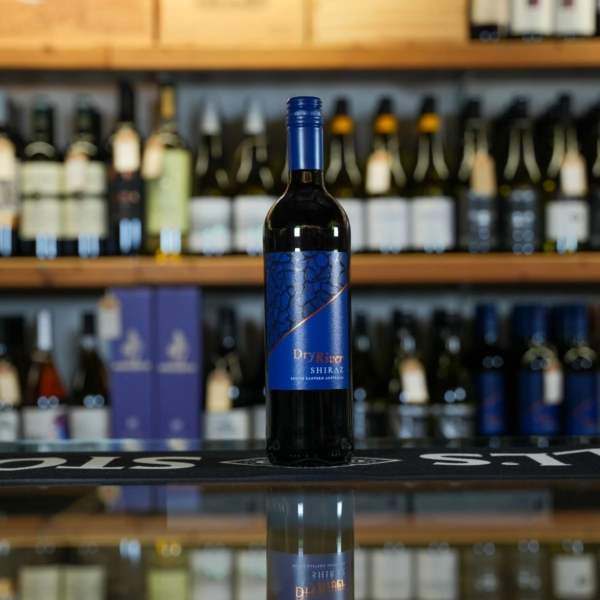
Dry River Shiraz
£8.95 Add to basket
-
Dry River Shiraz
£8.95 Add to basket -
Barramundi Merlot
£11.59 Add to basket -
Nika Tiki Sauvignon Blanc
£11.39 Add to basket -
Crooked Mick Vegan Chardonnay
£10.95 Add to basket -
Escena Rioja
£10.99 Add to basket -
Muga Rioja Blanco
£17.59 Add to basket -
Espeto Tempranillo
£10.75 Add to basket -
Acantus White
£10.35 Add to basket

La Mancha
La Mancha is the largest wine region in Spain. It is also Europe's largest continuous wine growing region, is located in Spain's arid central plateau just south of Madrid. Wine making in La Mancha dates back to Roman times. After conquering Spain they bought viticulture to the area after realising it was an ideal location for growing vines and making wine. During the Moorish rule between the 8th to 15th centuries, the region was called al-mansha, meaning parched earth, referencing its arid, sun baked landscape.
The 16th century saw the beginning of the Golden Age for Spanish wines. Spain’s wine growing areas began to make a name for themselves and become more prominent. At a time when wine was a familiar sight on Spanish tables and in the higher echelons of society, their proximity and affinity meant that La Mancha wines were in high demand in the kingdom’s capital city, the so called Hapsburg Madrid, the area filled with taverns.
Regional Wine Styles
- Mainly using the Tempranillo grape, the red wines range from fresh, easy drinking young wines to complex, structured, oak aged styles. A hot, dry continental climate naturally produces bold fruit flavours, dark ruby tones, and rich tannin structures
- Primarily ranging from crisp, unoaked everyday wines to aromatic and barrel aged examples.
- Rose wine tend to be fresh and vibrant wines typically feature playful aromas of ripe peach and strawberry, offering a fruit driven, dry and light bodied profile.
Our Favourite Wines From La Mancha
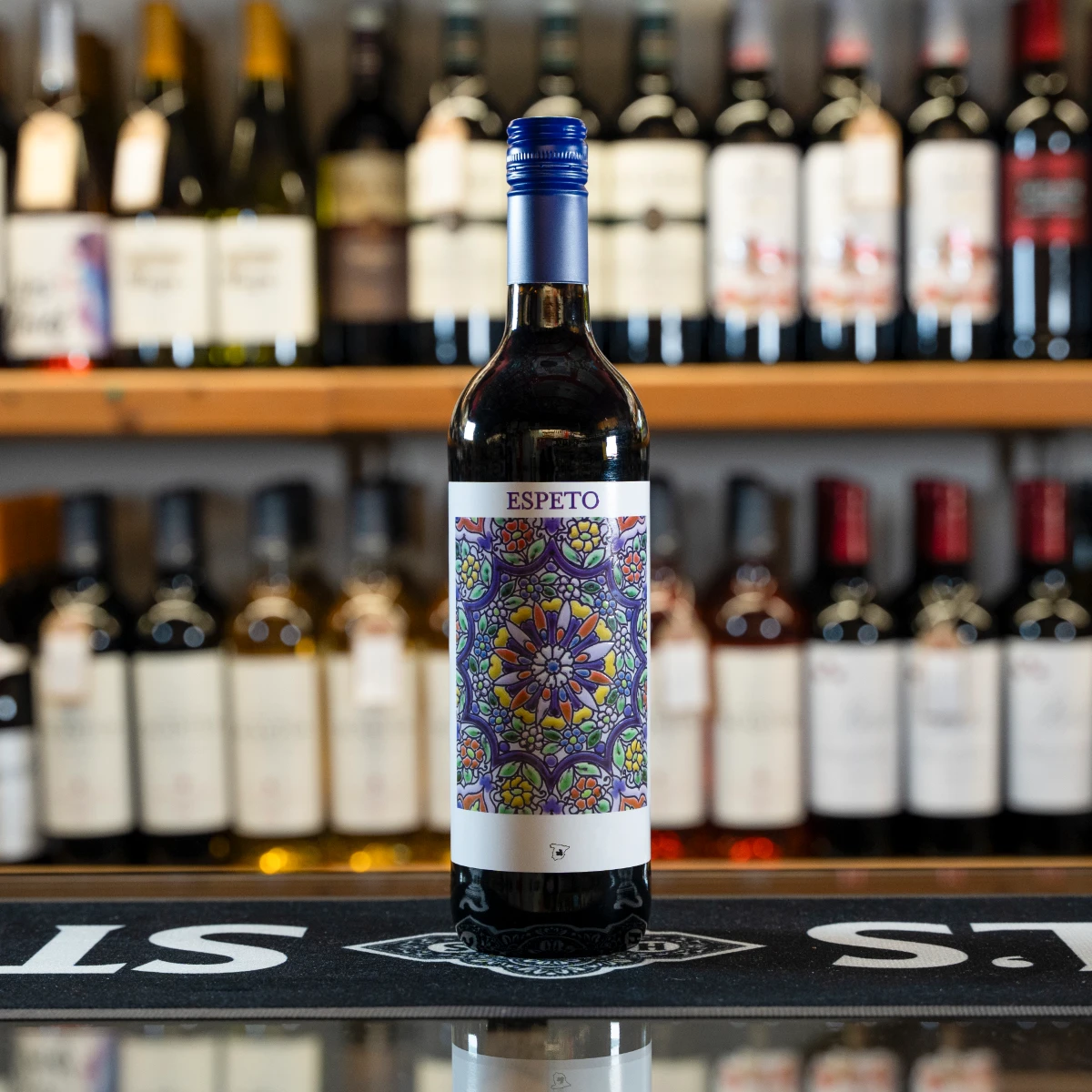
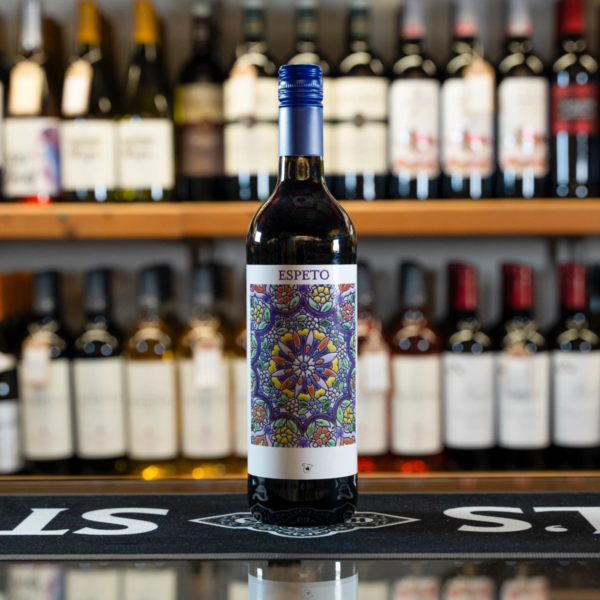
Espeto Tempranillo
£10.75
History:
Rafael Canizares is an oenologist and fourth-generation viticulturist who was highly influential in the Spanish wine boom of the 1990s. A highly regarded Spanish wine producer renowned for restoring abandoned, ancient indigenous vineyards and repositioning the reputation of Spanish wines globally. Its name translates to return which reflects a return to native roots and traditions across several Spanish regions including Alicante, La Mancha, and Jumilla.
Tasting Notes:
Bright ruby red in colour, Espeto Tinto offers expressive aromas of cherry, redcurrant, blackberry and blackcurrant, with subtle hints of dark chocolate and fresh herbs. The palate is light bodied, supple and juicy, showing vibrant red fruit, discreet tannins and lively acidity. Fresh and thirst quenching, it finishes clean and tangy with good balance and length, clearly expressing Tempranillo’s bright, fruit driven character.
Food Matches:
Pairs well with roasted meats, grilled vegetables, pasta dishes, and semi hard cheeses.
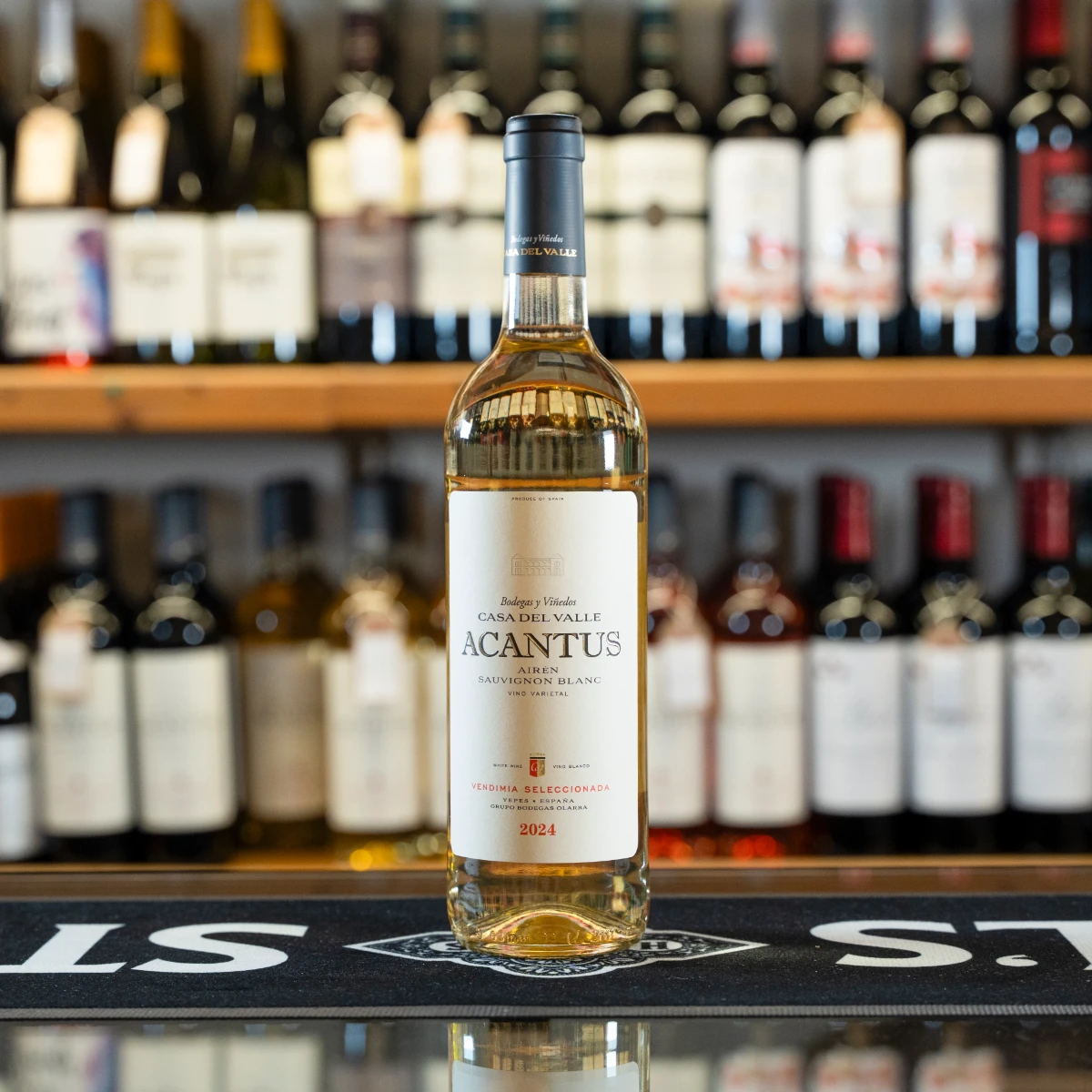
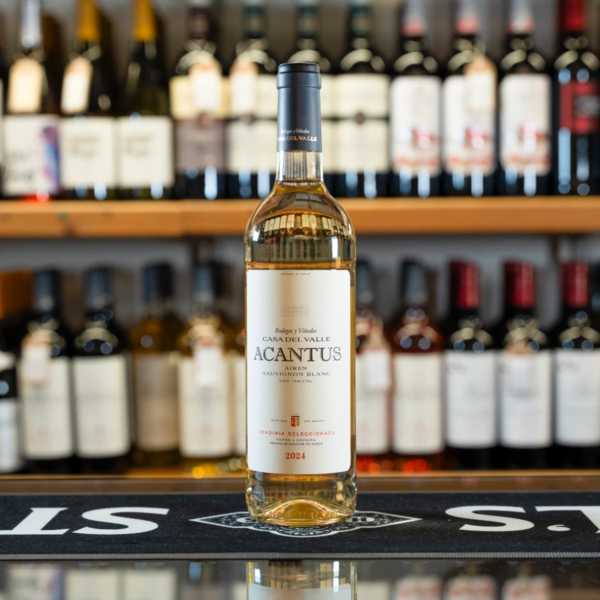
Acantus White
£10.35
History:
Bodegas Olarra, has been a towering figure in Spanish winemaking since its establishment in 1973. Known as the cathedral of Rioja for its striking y shaped floor plan and 111 hexagonal domes, Olarra is renowned for marrying modern innovation with classic technique. The Acantus wines focus on capturing maximum fruit purity and balancing it with subtle oak aging to yield soft, approachable, and well structured wines.
Tasting Notes:
Acantus white has a very notable golden colour. Its bouquet is notable for its intensity and fineness, with aromas reminiscent of muscatel, white flowers and flint. To the palate, it is balanced and sustained, with a persistent varietal perfume.
Food Matches:
Grilled white fish such as sea bass or cod, king prawns, and fresh scallop ceviche. Herb roasted chicken, turkey, and creamy white pasta dishes.

Rioja
The precursor to the modern wine region we know began in 1560 when wine producers in the region agree to place a common label on bottles. The Real Junta de Cosecheros or Royal Board of Wine Growers was established in 1787. Its main target was to promote grapevine farming, to enhance the quality of wines and to facilitate the commercialization in northern markets.
In 1924 a group of producers in the region ask their specific warranty seal to be recognised, to identify and separate their wine production from the others and in 1925 the Designation of Origin Rioja (DO) is born, delimitating the territory and establishing the first official regulation of the region.
Regional Wine Styles
- Rioja red wines are medium to full bodied blends led by the Tempranillo grape, blended with Garnacha, Graciano, and Mazuelo. Famous for their smooth, silky tannins and flavours of dark berries the flavours are heavily influenced by how they are aged.
- White Rioja ranges from crisp, unoaked citrus driven wines to complex, barrel aged wines that rival fine white Burgundy.
- Roses generally comes in two distinct styles: a fresh, fruit forward style and a rarer, oak aged traditional style. The sparkling wine from Rioja is a premium, traditional method sparkling wine made with local Spanish grapes like Viura, Tempranillo Blanco, and Garnacha.
Our Favourite Wine From Rioja
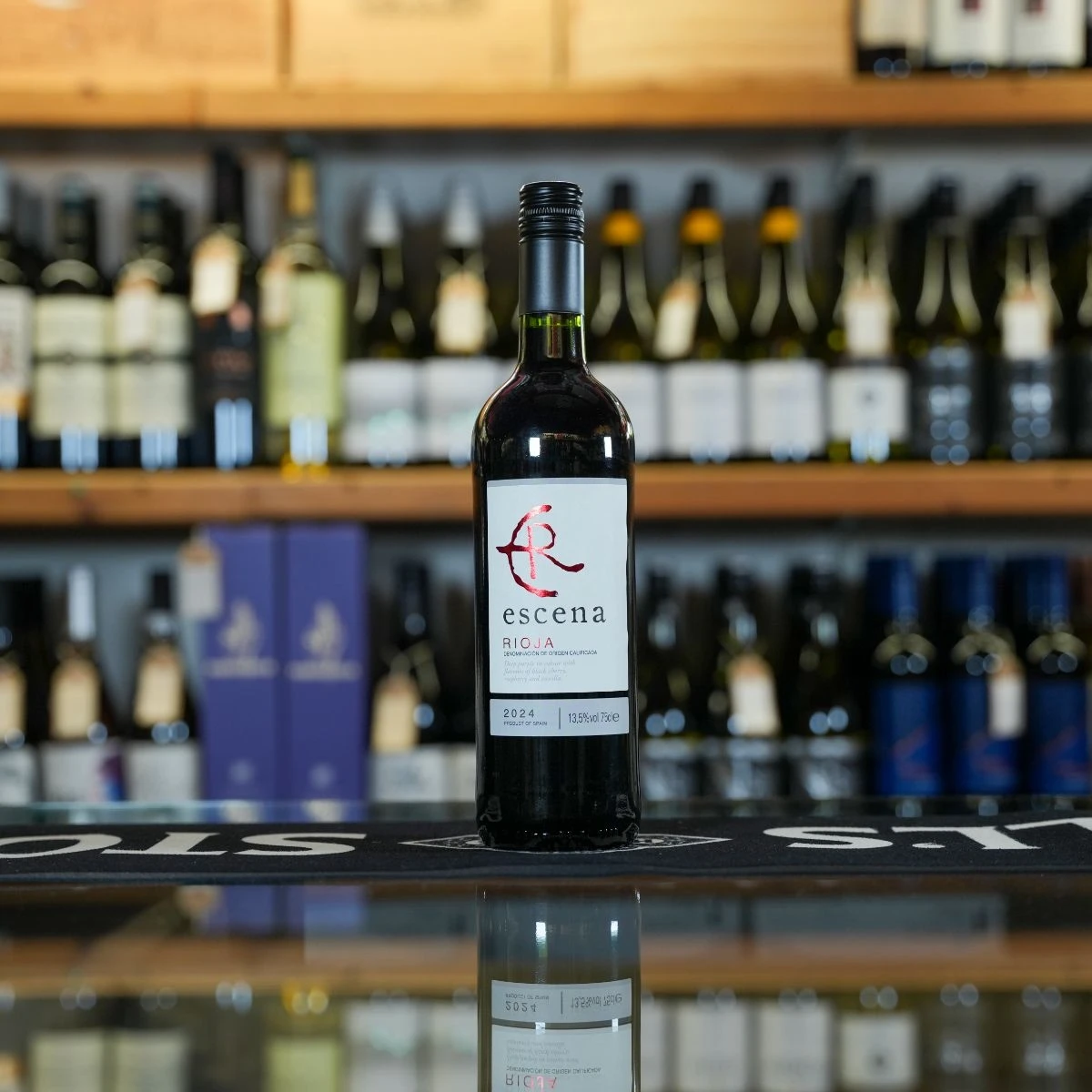
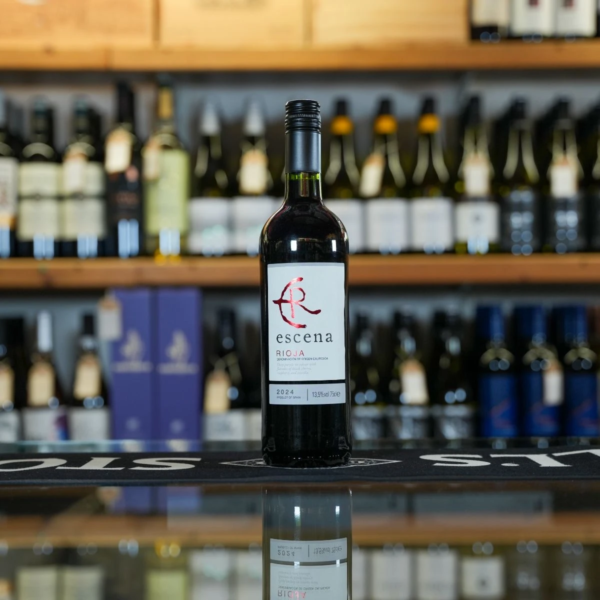
Escena Rioja
£10.99
History:
Bodegas Isidro Milagro belongs to a family with a long tradition in the wine sector which is reflected in their unique and elegant wines. At the beginning, these wines were manually produced in the cellars situated under the houses of the family ancestors, nowadays the family members have inherited the know-how to make wines that stand out for their excellent quality and flavour.
Tasting Notes:
This wine is a modern style Rioja Joven with juicy fruit driven characters of black cherry and raspberry combined with subtle sweet vanilla spice. Bright and medium bodied with a creamy smoothness leading into a fresh finish.
Food Matches:
Different kinds of cheese, cold meat, vegetables, pasta, fish and grilled meat.
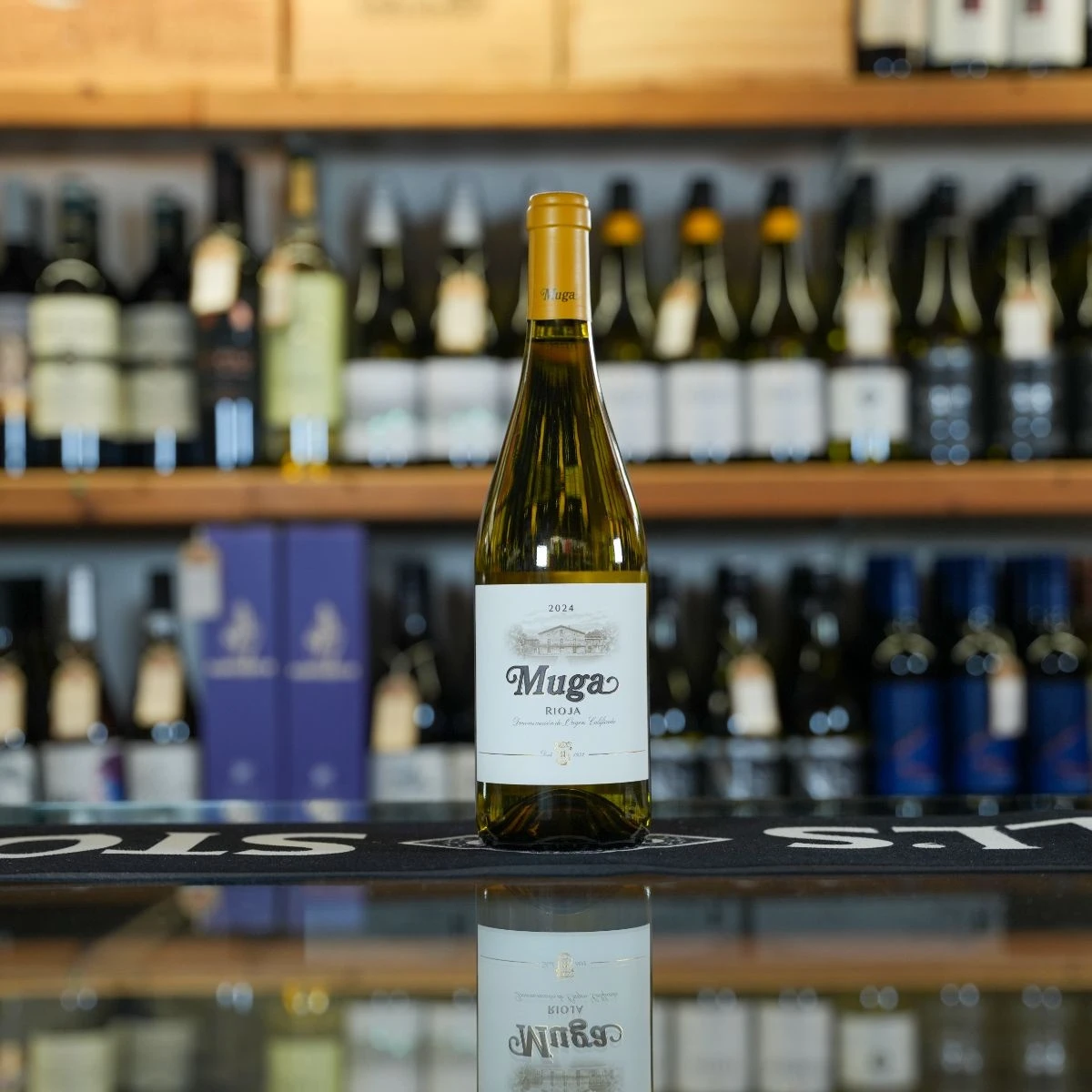
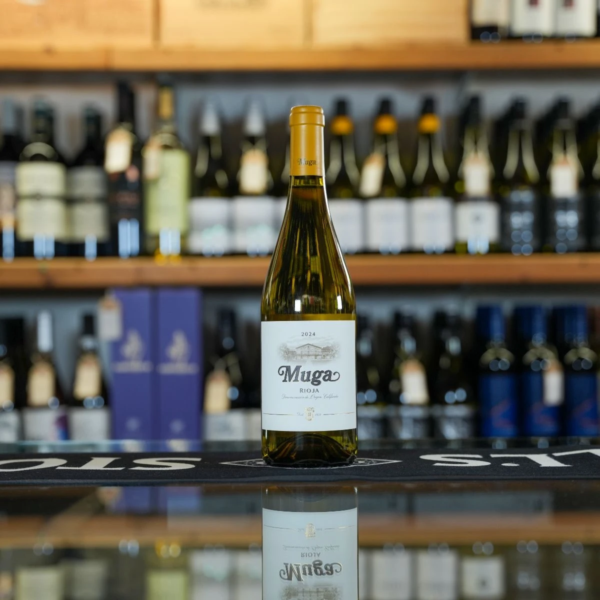
Muga Rioja Blanco
£17.59
History:
Founded in 1932 by Isaac Muga and Aurora Cano, Muga is a premier, family owned winery. Situated in the Rioja Alta sub region, Muga farms over 400 hectares of vineyards. The specific convergence of Mediterranean, Atlantic, and Continental climates helps yield grapes with exceptional balance and aging potential. Famous for its dedication to traditional methods, Muga is one of the few wineries globally to employ an in-house cooperage team that crafts its own oak vats and barrels.
Tasting Notes:
Displays a pale straw yellow hue. The nose reveals notes of white blossom, stone fruit, and a hint of vanilla. On the palate, it offers lively acidity balanced with subtle salinity, leading to a long, elegant finish.
Food Matches:
Ideal with grilled fish, seafood dishes, and light appetizers, enhancing a variety of culinary experiences.

Marlborough
The region's first vines were planted by Scottish immigrant David Herd at the Auntsfield estate. He purchased the land from the Rev Charles Saxton who held the Crown Grant but had never taken possession. In 1873 David Herd planted a small block of vines on the land. The grapes he planted were a brown mutation of Muscat Petite Grain commonly called Brown Muscat at that time. David Herd made wine until his death in 1905. His son in law Bill Paynter took over Auntsfield and continued making the wine, until 1931.
The first commercial vineyards were planted in 1973 by Montana (Brancott Estate). In 1985 the debut vintage of Cloudy Bay Sauvignon Blanc was released. Its explosive, tropical fruit aromas captivated international critics, triggering a global sensation and massive vineyard expansion. The region features roughly 30,000 hectares of vines, accounting for over 80% of New Zealand's wine exports.
Regional Wine Styles
- Marlborough is a cool climate region famous for its Pinot Noir, which typically features bright red fruit such as cherry, raspberry flavours. Earthy undertones and soft tannins also feature.
- Explosively aromatic, high acid Sauvignon Blanc. However, its cool climate and diverse valleys also produce world-class Chardonnay, aromatic Pinot Gris, and expressive Riesling
- Marlborough rose wines are primarily crafted from Pinot Noir and range from pale, dry, Mediterranean style wines to fruit forward expressions that are vibrant and exhibit flavours of red berry such as strawberry and raspberry and refreshing citrus or herbal undertones.
Our Favourite Wine From Marlborough
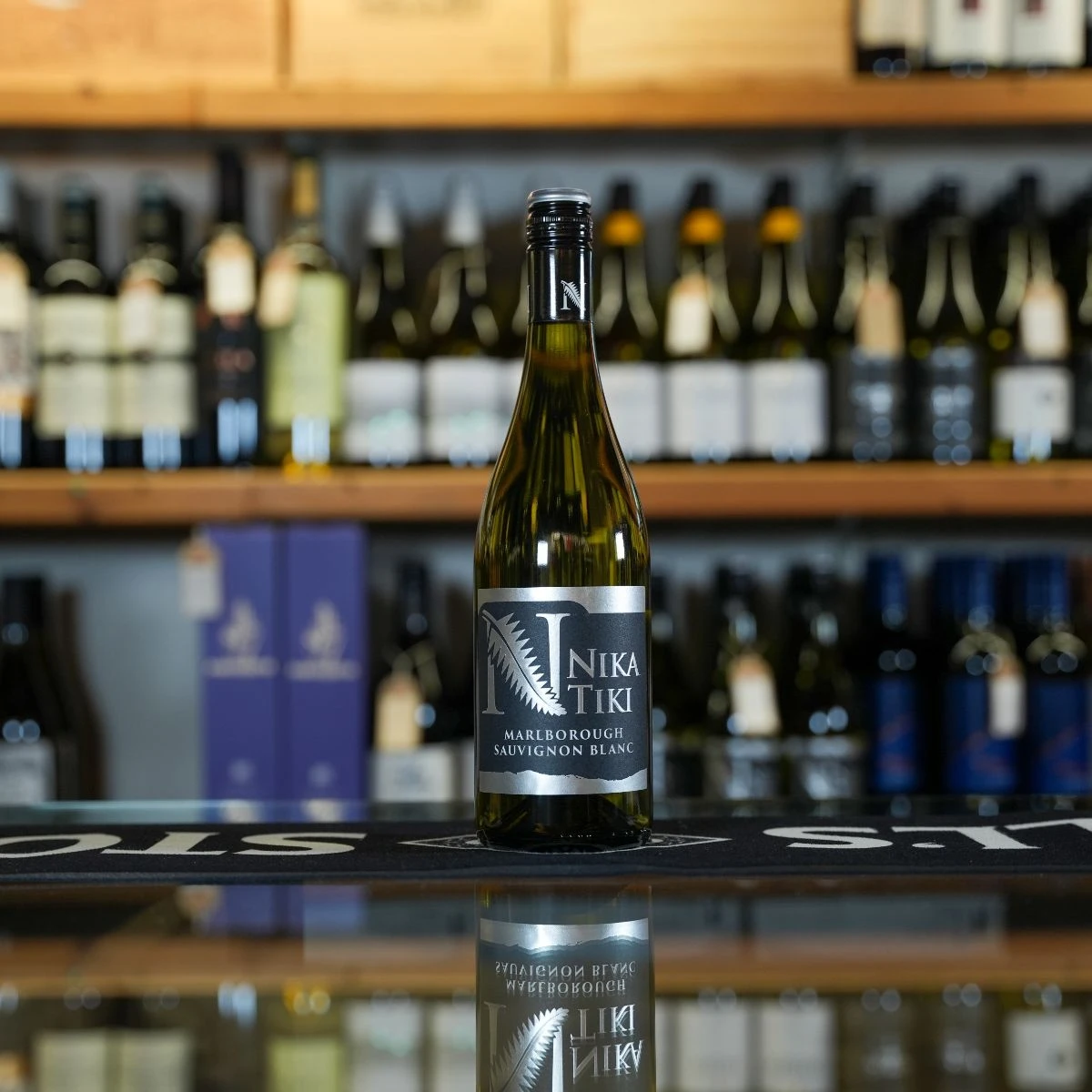
Nika Tiki Sauvignon Blanc
£11.39
History:
Nika Tiki honours the traditional hand carved Maori tiki, which is culturally viewed as a symbol of good fortune, love, and protection. The wines roots trace back to Tiki Wine, a winery founded by Royce McKean and named after his great-great-great grandfather, the Ngati Uenuku Chieftain, Tiki Tere Mihi. The foundational vineyards for the Tiki brand originated on a 325-hectare sheep farm in Waipara, North Canterbury, before expanding into the globally celebrated Marlborough terroir.
Tasting Notes:
A wonderful crisp and refreshing Sauvignon Blanc, showing true and traditional citrus notes on the nose. Pale straw green in colour with brilliant clarity, Nika Tiki Marlborough Sauvignon Blanc has inviting fresh lemon/lime and tropical fruit flavours on the palate with a long lasting fruit finish. Crisp acidity and herbal notes, fruity, elegant, lively.
Food Matches:
Works well with fish and chicken.

South East Australia
South Eastern Australia is a massive Geographical Indication (GI) that encompasses over 95% of the country's vineyards. It spans New South Wales, Victoria, Tasmania, and parts of South Australia, producing a wide array of reliable, great value blends. The Australian wine industry dates back to 1788 when governor Arthur Phillip planted the first vines at Farm Cove in Sydney.
In 1820 viticulturist James Busby successfully introduced European grape varieties which heavily influenced the development of the Hunter Valley in New South Wales. During the 1840s, waves of European immigrants settled in South Australia and helped to establish legendary regions like the Barossa Valley and McLaren Vale.
Regional Wine Styles
- Fruit forward red wines driven by the country's signature grape varieties. The standout styles feature rich, full bodied Shiraz, structured Cabernet Sauvignon, plush Merlot, and vibrant, spice-driven Grenache.
- South East Australian white wines are generally crisp, fruit forward, and excellent for everyday drinking. Common styles include Chardonnay, Sauvignon Blanc, and Semillon.
- Rose goes from dry, Provence style blends to vibrant, fruit forward varietals. Styles range from pale, crisp, and textural wines made from Grenache, Sangiovese, and Pinot Noir, to richer, berry driven options crafted from Shiraz and Merlot.
Our Favourite Wine From South East Australia
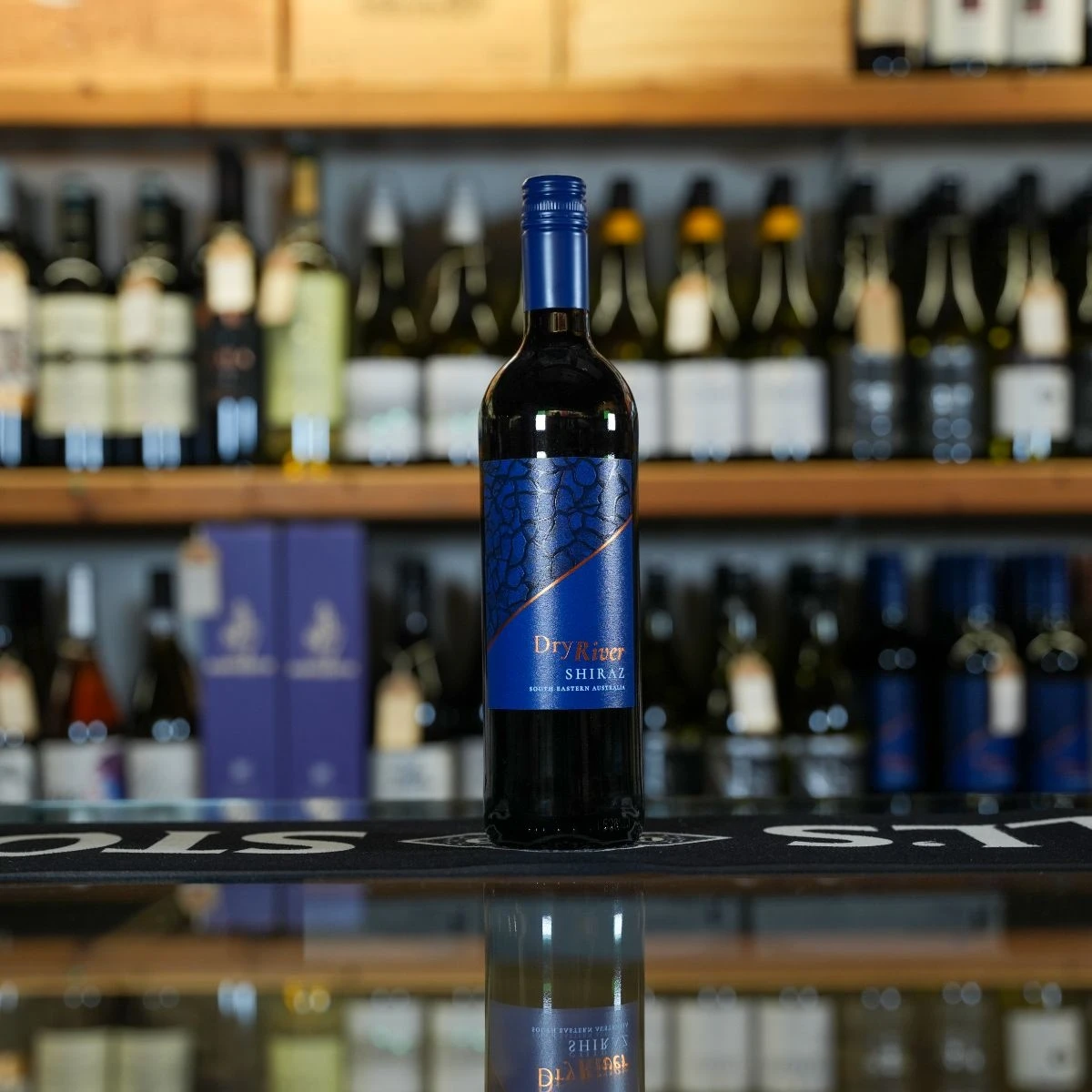
Dry River Shiraz
£8.95
History:
The Dry River label was created by to pay homage to the exceptional skills of Australian winemakers. The name is a nod to the fact that while Australia is one of the driest continents in the world, its rivers supply irrigation that is crucial to the vineyards. The dryness of the region is highly sought after, as drier conditions typically help concentrate the flavours in the grapes. To ensure consistency and quality, the producer sources the Dry River Shiraz in close partnership with a family-owned winery in Australia. The fruit is processed and matured with a mix of French and American oak to develop its smooth, rich profile
Tasting Notes:
A deep and inky red in colour, Dry River Shiraz displays a nose of smoky rich fruits with a touch of mint. Smooth and rich on the palate with spicy flavours of luscious dark berry fruits, the balanced tannins help to deliver a tremendously concentrated finish.
Food Matches:
Serve at room temperature and try partnering with spicy dishes such as Mexican fajitas or Cajun chicken.